

Summary
Lash extensions are most vulnerable at night, when pressure, friction, facial compression, and side-sleeping distort their shape and weaken adhesive bonds. Most lash fallout happens during sleep—not during the day. Protecting extensions requires minimizing friction, eliminating lash contact with pillows, reducing moisture and heat buildup, and keeping REM movement unrestricted. The most effective strategies include switching to contoured sleep masks (not flat silk masks), sleeping on a smooth surface, stabilizing nighttime position, and controlling humidity and oil transfer. A 3D contoured blackout mask like the Nidra Total Blackout Mask is one of the strongest tools available because it eliminates eyelid pressure, prevents fabric-to-lash contact, and allows natural REM eye movement while maintaining total darkness for deeper sleep.
Introduction
Lash extensions are an investment—financial, aesthetic, and time-based. They add definition and brightness, but they are delicate. Nearly 70 percent of lash damage happens during sleep due to pillow friction, fluid retention, tossing and turning, and compressed sleep positions. These forces break bonds, cause premature shedding, and reduce volume.
The right nighttime routine is not about doing more—it’s about removing the forces that cause damage. When the eye area is protected at night, lashes last longer, maintain curl, and stay evenly distributed between fills. Many lash-protective habits also improve sleep quality by reducing pressure and sensory irritation.
Below are the best science-informed, lash-artist-approved strategies for preserving extension volume while you sleep—ranked by effectiveness.
1. Switch to a 3D Contoured Sleep Mask (The #1 Most Effective Protection Method)
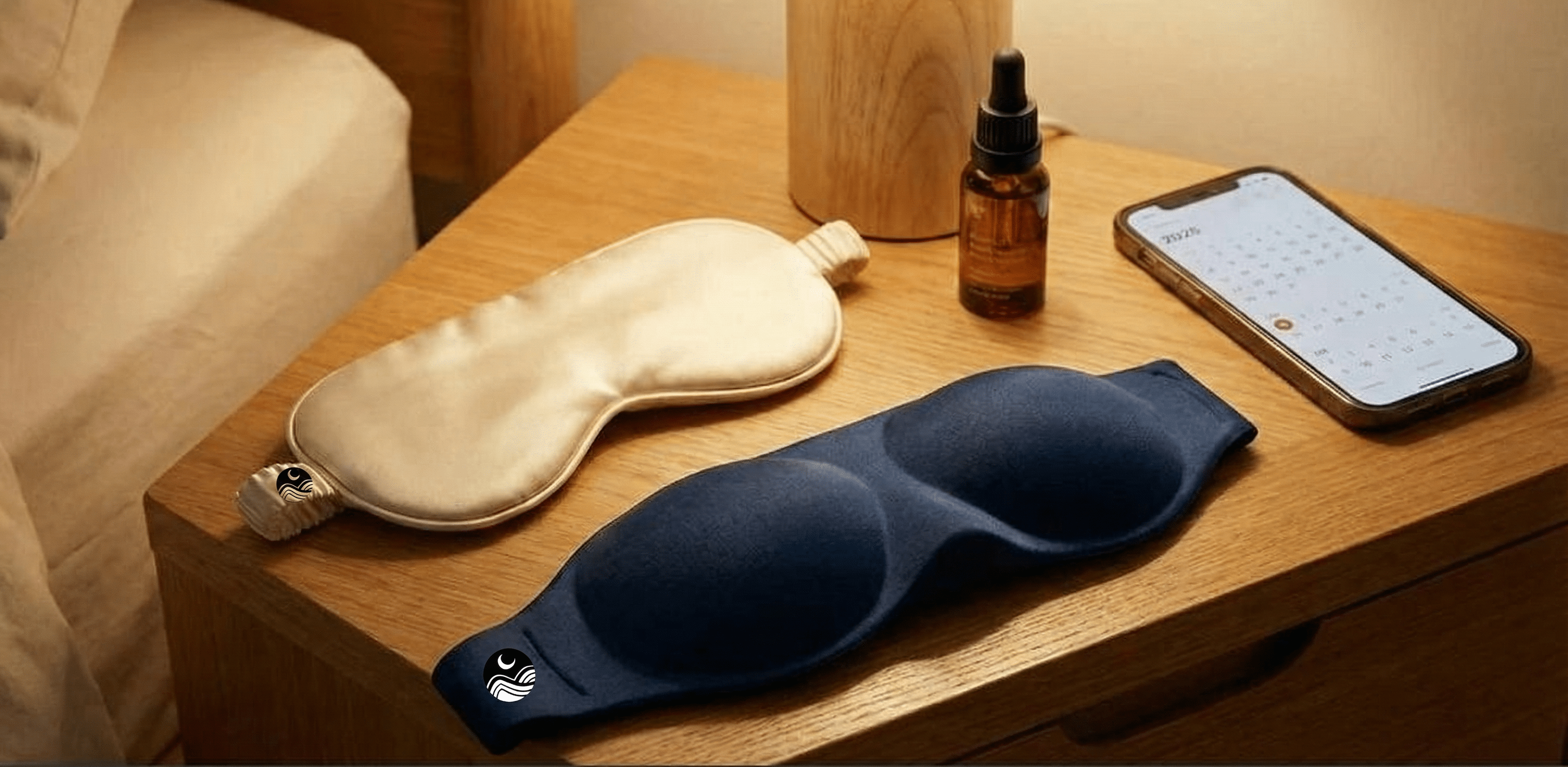
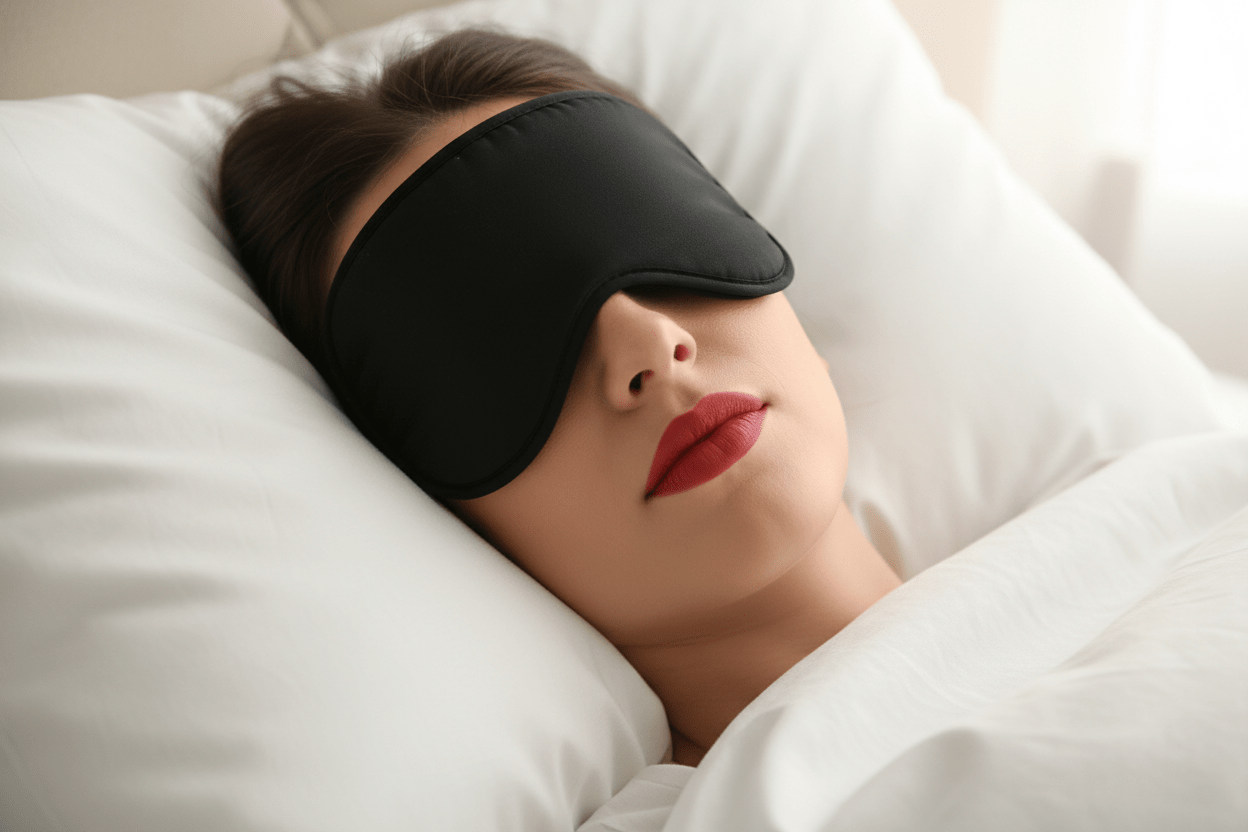
Flat sleep masks—including silk masks—press directly against the eyelids. This compresses fibers, distorts curl, and interferes with adhesive bonds. Silk reduces irritation but cannot eliminate pressure.
A 3D contoured sleep mask solves this completely. The raised eye cavities lift the fabric away from the lashes, protecting them while allowing natural REM movement.
A mask like the Nidra Total Blackout Mask provides:
- No lash contact
- No downward pressure
- Structured yet gentle seal
- Lash-safe REM compatibility
- Reliable fit for side sleepers
- Total darkness for deeper sleep (reduces inflammation and puffiness)
This is the single most effective upgrade for lash retention.
2. Avoid Sleeping on Your Stomach or Full Side Positions
Sleeping face-down or fully on your side creates pressure that weakens bonds and twists lashes. Over time, this causes:
- Bent extensions
- Visible gaps
- Outer-corner breakage
- More shedding on one side
- Poor overall retention
Back sleeping is ideal, but perfection is not required—just reduce pillow contact.
Helpful strategies:
- Use a supportive pillow that prevents rolling
- Place a pillow under your knees
- Use a contoured blackout mask to block lash contact
- Keep hair away from the face
3. Sleep on a Smooth, Low-Friction Pillowcase (But Know Its Limits)
Silk/satin pillowcases reduce friction but do not prevent pillow contact with lashes.
They help because they:
- Reduce snagging
- Lower friction
- Prevent pulling on extensions
- Support smoother skin and hair
But they must be paired with a contoured mask for full protection.
4. Reduce Nighttime Eye Rubbing (Conscious or Unconscious)
Eye rubbing is one of the fastest ways to destroy extensions. Many people rub their eyes during sleep without realizing it.
A contoured mask creates a physical barrier that helps prevent rubbing.
Additional tips:
- Remove products that migrate into the eye area
- Avoid heavy creams before bed
- Keep nails short
- Create a calming evening ritual
5. Manage Nighttime Oils and Skincare Products
Oil breaks down lash adhesive. Even oil-free products can migrate at night.
To protect extensions:
- Keep rich moisturizers away from eyelids
- Use gel-based or water-based products
- Let skincare absorb before bed
- Sleep in cooler environments
- Avoid occlusive products near lashes
6. Maintain a Cooler Bedroom Temperature
Heat softens lash adhesive and increases sweating, which affects retention.
Warm environments cause:
- Adhesive breakdown
- Lash slippage
- Clumping
- Eye irritation
Ideal temperature: 60–67°F (15–19°C).
7. Use a Pillow Designed for Lash Protection (Optional)
Specialty lash pillows can help, but they are often bulky and inconsistent. A contoured sleep mask remains more reliable and portable.
Lash pillows can be useful for stubborn side-sleepers.
8. Keep Bedding Fresh and Clean
Extensions deteriorate faster when exposed to oils, sweat, dust, and product buildup.
- Sweat
- Oils
- Dust
- Hair products
- Pillow buildup
Wash pillowcases every 3–4 nights for best retention.
9. Stabilize Your Nighttime Routine to Calm the Eye Area
A consistent wind-down routine supports lash retention because it:
- Reduces eye rubbing
- Minimizes tossing and turning
- Keeps hands away from the face
- Reduces swelling around the eyes
Consistency improves melatonin production, sleep quality, and lash alignment.
10. Protect Lashes While Traveling or Sleeping in Bright Environments
Travel is one of the worst situations for lash retention: airplane cabins, hotel pillows, bright LEDs, inconsistent sleep.
Silk masks fail because they press into the eyes.
A 3D contoured mask:
- Shields lashes from pressure
- Blocks unpredictable light
- Maintains lash shape
- Protects REM cycles
- Improves sleep quality anywhere
Final Verdict: The Best Way to Protect Lash Extensions at Night
To preserve volume, extend retention, and keep extensions flawless, nothing protects lashes better than a 3D contoured sleep mask.
Silk pillowcases help, but they cannot stop pillow contact.
Oil-free routines help, but they cannot stop pressure.
Position training helps, but inconsistently.
A contoured blackout mask provides:
- Zero lash contact
- Zero pressure
- Zero friction
- REM compatibility
- Total darkness
- Consistency in any position or environment
The Nidra Total Blackout Mask stands out for structure, seal, and lash safety.