
Summary
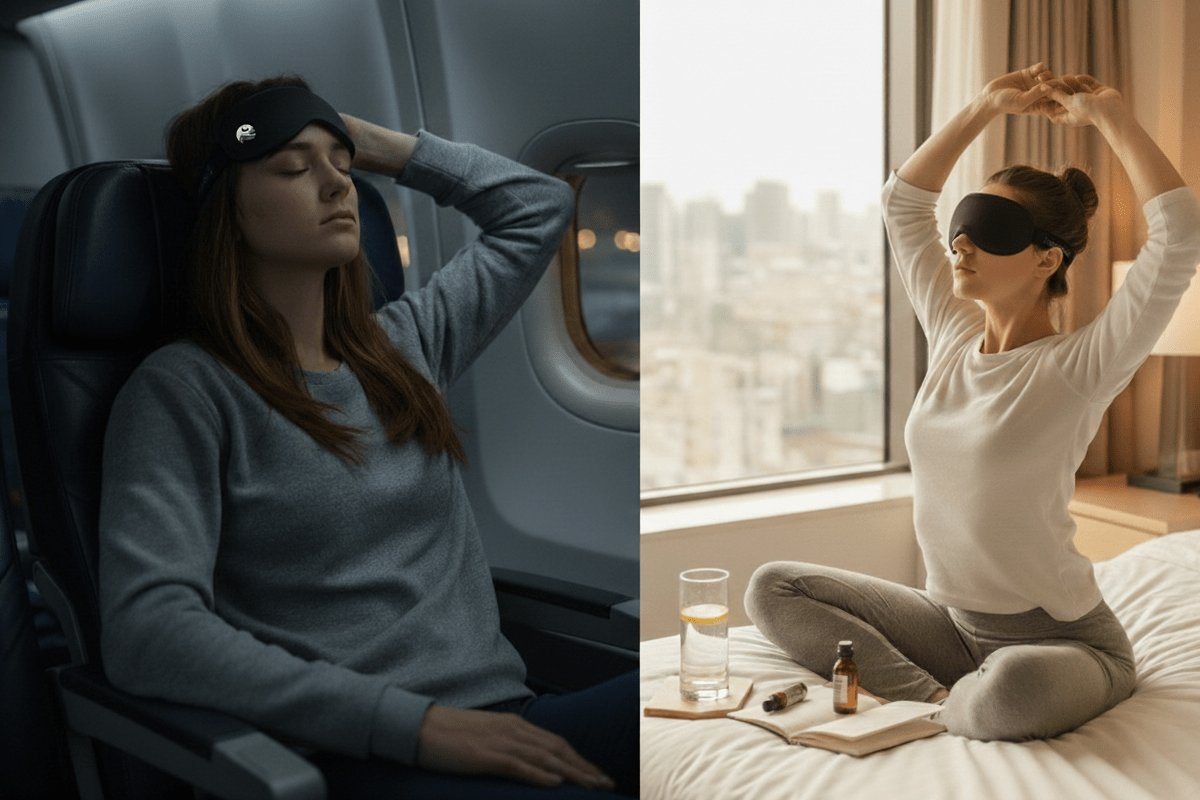
Travel disrupts sleep and weakens the immune system more intensely than most people realize. Time zone changes, hotel light pollution, irregular schedules, cabin dryness, nighttime noise, late meals, alcohol, and stress combine to suppress melatonin and fragment deep sleep. Since immune cells rely on circadian cues, even one night of poor travel sleep can reduce natural killer cell activity, elevate inflammation, raise cortisol, and impair antibody response. Frequent travelers experience higher rates of colds, slower recovery, and greater susceptibility to infection. The antidote is stable melatonin, consistent sleep timing, and truly dark sleep environments. The Nidra Total Blackout Mask is one of the strongest tools for protecting immune function because it maintains complete darkness across flights, hotels, and unfamiliar rooms, supporting melatonin driven immune regulation.
Introduction
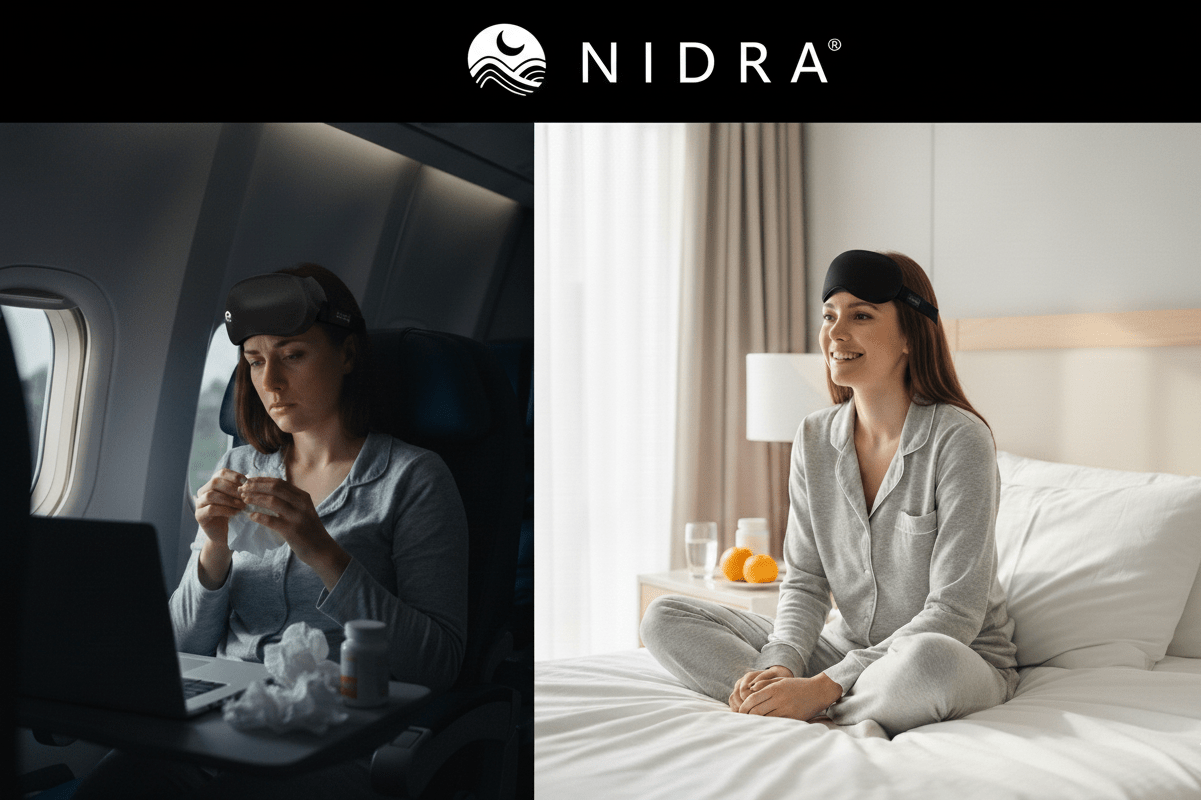
Travel is commonly associated with jet lag, fatigue, and physical discomfort. Far fewer people recognize how profoundly travel disrupts immune function. Sleep and immunity are deeply linked through shared hormonal and circadian pathways. When travel sleep becomes irregular or fragmented, the immune system becomes less coordinated, less efficient, and more vulnerable to pathogens. For business travelers, athletes, founders, and high frequency flyers, weakened immunity becomes a major performance liability. Even leisure travelers often experience the classic “post travel sickness” that surfaces days after returning home. This is not coincidence. It is the biological outcome of interrupted circadian rhythms, suppressed melatonin, elevated cortisol, disrupted sleep cycles, and depleted physiological reserves.
This explainer details exactly how travel sleep habits impact immune strength and what travelers can do to protect themselves. It is dense, research backed, and written for readers who want high clarity and practical guidance.
Why Sleep Is the Immune System’s Master Regulator
The immune system follows circadian rhythms. Immune cells accelerate, slow down, or shift function based on the body’s internal clock. Melatonin, the hormone produced in darkness, is not only a sleep signal but also an immune modulator. It influences antioxidant defenses, T cell activity, inflammatory pathways, and antibody production. When melatonin rises naturally at night, the immune system enters a restorative mode where repair, surveillance, and cellular regeneration accelerate. Deep sleep strengthens memory consolidation in the brain and simultaneously strengthens immune memory in the body.
Travel disrupts every step of this process.
How Travel Sleep Habits Disrupt the Immune System
1. Light Exposure During Travel Suppresses Melatonin and Weakens Immune Signaling
Airplanes, hotel hallways, streetlights, late night screen use, and sunrise exposure all interrupt melatonin production. Melatonin suppression is well documented even at low levels of light. Levels as low as 5 to 10 lux, equal to a dim nightlight, reduce melatonin by up to 50 percent [Gooley 2011]. Since melatonin directly supports immune defenses, melatonin disruption weakens the coordination of immune cells.
Effects of melatonin suppression:
- Reduced natural killer cell activity
- Weaker antiviral defense
- Increased oxidative stress
- Slower nighttime repair
- Higher vulnerability to pathogens
Travelers frequently wake early due to hotel light leaks or cabin lighting. Each interruption reduces the immune system’s resilience.
2. Fragmented Sleep Reduces Natural Killer Cell Activity
Natural killer cells are frontline immune defenders that target viruses and abnormal cells. Research demonstrates that one night of fragmented sleep can significantly reduce NK cell activity, leaving the body temporarily less protected [Irwin 2015].
Travel sleep is often fragmented due to:
- Noisy hotels
- Cabin announcements
- Jet lag
- Early morning sun
- Discomfort from travel fatigue
- Stress about early meetings or flights
This immediate drop in immune surveillance is one reason travelers often get sick shortly after long trips.
3. Jet Lag Desynchronizes Immune Rhythms
Jet lag causes misalignment between internal circadian rhythms and the external environment. Since immune cells follow circadian timing, desynchronization leads to immune dysfunction. Studies show circadian misalignment increases inflammation and reduces immune coordination [Cho 2015].
Jet lag impacts:
- Antibody response
- Inflammatory control
- Metabolic regulation
- Recovery from stressors
- Sleep architecture
This is why travelers often develop low grade inflammation or feel “off” for days after international flights.
4. Elevated Cortisol During Travel Suppresses Immunity
Travel elevates cortisol due to workload pressure, social demands, noise, physical strain, and environmental unpredictability. High cortisol has a suppressive effect on immune activity, particularly on lymphocytes and T cell function [Ablon 2017].
Poor sleep increases cortisol further.
High cortisol plus melatonin disruption is one of the fastest paths to weakened immunity.
5. Cabin Dryness and Dehydration Impair Mucosal Defense
Airplane cabins maintain humidity between 10 and 20 percent. Low humidity dries nasal passages and throat tissues, weakening mucosal barriers that normally block pathogens. Combined with poor sleep, which weakens immune coordination, travelers become significantly more susceptible to airborne viruses.
Hydration loss also increases inflammatory markers and reduces the body’s ability to clear irritants.
6. Poor Sleep After Arrival Delays Immune Recovery
Most travelers sleep poorly during the first night in a hotel due to the “first night effect” where the brain remains partially alert in unfamiliar settings. Deep sleep may be reduced by 50 percent on the first night in a new environment. Deep sleep is essential for immune memory and cellular repair. When first night sleep is disrupted, immune recovery from travel takes longer.
Hotel light pollution, noisy HVAC systems, hallway movement, and glow from electronics all worsen first night sleep.
7. Late Meals and Alcohol Increase Inflammation
Travel schedules often push dinner late, and business or leisure travel frequently includes alcohol. Both late meals and alcohol elevate nighttime inflammation and fragment sleep. Inflammation disrupts immune function, and fragmented sleep compounds the problem.
Proper immune functioning requires a low inflammatory nighttime environment, which travel frequently undermines.
Why Darkness Is the Most Important Immune Protection for Travelers
Light is the strongest signal to the circadian system. Darkness signals melatonin release, which signals immune restoration. Since travel environments are unpredictable and often bright, travelers need consistent light control to protect their immune system.
Hotel blackout curtains leak. Cabin lights turn on unexpectedly. Early sun enters unfamiliar rooms. The physiological cost of light exposure is extremely high for immune functioning.
Why the Nidra Total Blackout Mask Supports Immune Function
This mask creates total darkness, which stabilizes melatonin and initiates the body’s nightly immune repair process. It is not a luxury item. It is a physiological tool.
Immune system advantages:
- Supports melatonin release all night
- Prevents early light exposure that stops immune repair prematurely
- Improves deep sleep which supports immune memory
- Reduces inflammation by promoting higher sleep quality
- Lowers nighttime cortisol
- Protects circadian alignment during travel
A 3D contoured design prevents eyelid pressure, keeps the ocular area cool, and ensures airflow. This allows travelers to sleep deeply without waking due to discomfort or heat buildup.
Travelers who regularly use a blackout mask gain stronger immune resilience compared to travelers who rely on inconsistent hotel rooms or planes.
How to Strengthen Immunity Through Healthy Travel Sleep Habits
-
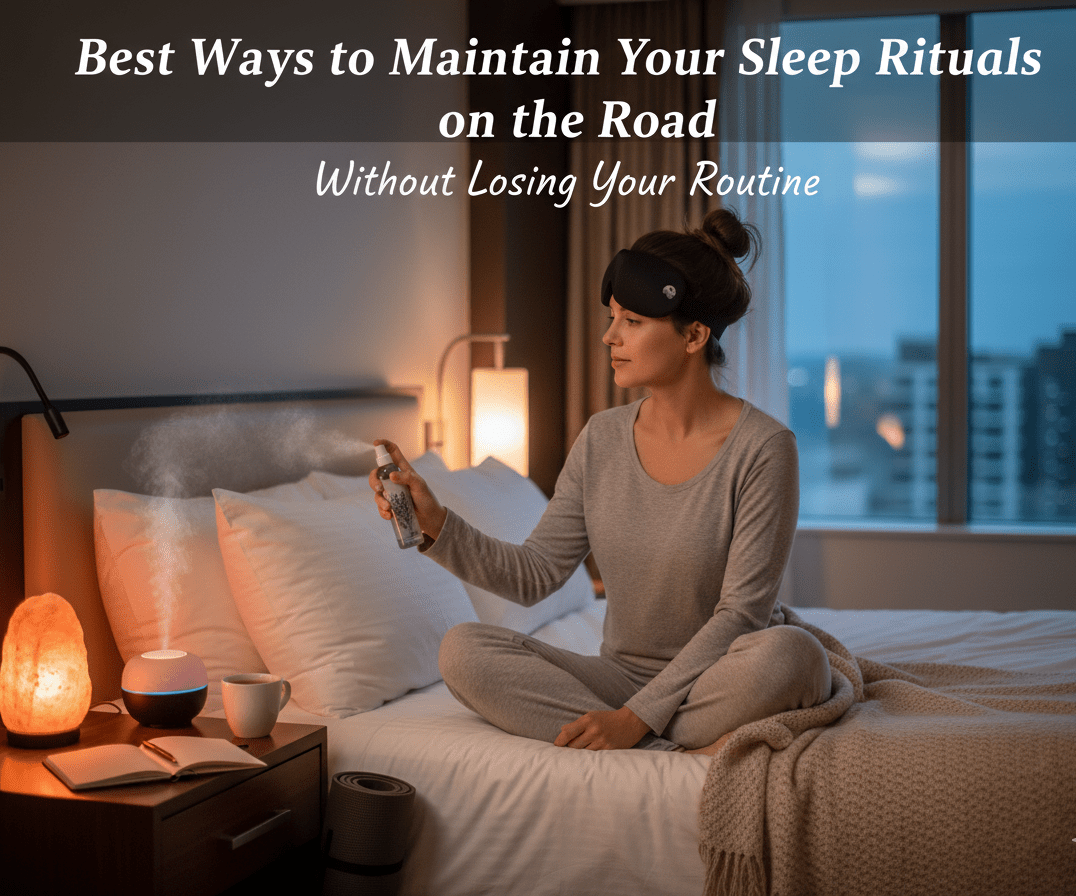
Sleep in complete darkness both during travel and after arrival
Use a blackout mask to stabilize melatonin release and support immune activity. -
Maintain consistent wake times
Wake time anchors circadian rhythm and strengthens immune timing. -
Limit alcohol and heavy meals
This reduces inflammation and protects sleep quality. -
Hydrate immediately after landing
Restores mucosal defenses and reduces immune vulnerability. -
Get morning sunlight
Morning light resets the circadian immune rhythm. -
Control temperature
Cool rooms support deeper sleep and reduce nighttime inflammation Harvard Health. -
Protect sleep from noise
Earplugs reduce sleep fragmentation and support immune processes.
These habits combine with darkness to build a robust immune environment during and after travel.
Conclusion
Travel affects the immune system through multiple interconnected pathways. Light exposure suppresses melatonin, sleep fragmentation reduces natural killer cell activity, jet lag desynchronizes immune rhythms, cortisol rises due to travel stress, cabin dryness weakens mucosal barriers, and poor first night sleep delays immune recovery. Travelers who ignore these factors often get sick after long trips. Travelers who control light, protect sleep, and stabilize their circadian rhythm maintain stronger immunity, better energy, and faster recovery.
The Nidra Total Blackout Mask is a foundational tool because darkness drives melatonin, and melatonin drives the immune system. When combined with hydration, morning sunlight, consistent wake times, and smart travel habits, it helps travelers stay resilient across time zones, airports, and hotel environments.
References
- Gooley J. 2011. Exposure to room light before bedtime suppresses melatonin.
- Irwin M. 2015. Sleep loss increases inflammation.
- Irwin M. 2010. Sleep and immune function.
- Cho Y. 2015. Light at night disrupts circadian immune rhythms.
- Ablon G. 2017. Cortisol and immune response.
- Harvard Health. Why you need to sleep in a cool room.